
The Allure of Casino Environments
The design and atmosphere of a casino play crucial roles in attracting and retaining players. The moment one steps into a casino, they encounter a carefully curated environment that stimulates the senses—bright lights, vibrant colors, and a symphony of sounds from slot machines and table games. This sensory overload is intentional; it creates an immersive experience that can lead to increased dopamine levels, making the environment more alluring. Players often feel a rush of excitement that compels them to spend more time and money, especially when they are drawn to opportunities like payid pokies australia that are enveloped in a world designed to heighten their emotions and senses.
Casinos are designed to keep players engaged and entertained. The layout, with no visible clocks and strategic placement of games, encourages visitors to lose track of time. This phenomenon is often referred to as the «illusion of control,» where players believe they can influence outcomes through their actions. This psychological aspect is vital; it leads individuals to continue gambling in hopes of winning, even when statistically, the odds are against them. The focus on entertainment can overshadow the financial risk involved, creating a compelling but dangerous cycle that keeps players returning for more.
The ambiance also fosters social interactions, which enhance the gaming experience. Players often visit casinos not just to win but to socialize, celebrate, and enjoy a sense of community with fellow gamblers. This social element can amplify the thrill of gambling and create a sense of belonging. The combination of sensory stimulation, temporal disorientation, and social interaction makes for an addictive environment where players feel empowered yet vulnerable simultaneously. Understanding how these elements interact can provide insight into the motivations behind casino visits and the appeal of gambling as a social activity.
The Role of Cognitive Biases in Gambling
Cognitive biases significantly impact how casino players perceive their chances of winning. One common bias is the «gambler’s fallacy,» where players believe that past outcomes influence future results. For instance, if a roulette wheel has landed on red multiple times, a player may feel that black is «due» for a win. This fallacy can lead to poor decision-making, as players often fail to recognize that each spin is an independent event. By understanding these biases, we can shed light on why individuals might gamble without fully grasping the risks involved.
Another prevalent bias is the «illusion of control,» where players overestimate their ability to influence outcomes. This belief can be particularly strong in games like poker, where skill does play a role. However, even in games purely based on chance, many players feel they have some control over their success. This feeling can be empowering but can also lead to reckless behavior and increased losses, as players may continue to gamble in pursuit of that elusive win. Acknowledging these cognitive distortions is essential for understanding why many players fall into detrimental gambling patterns.
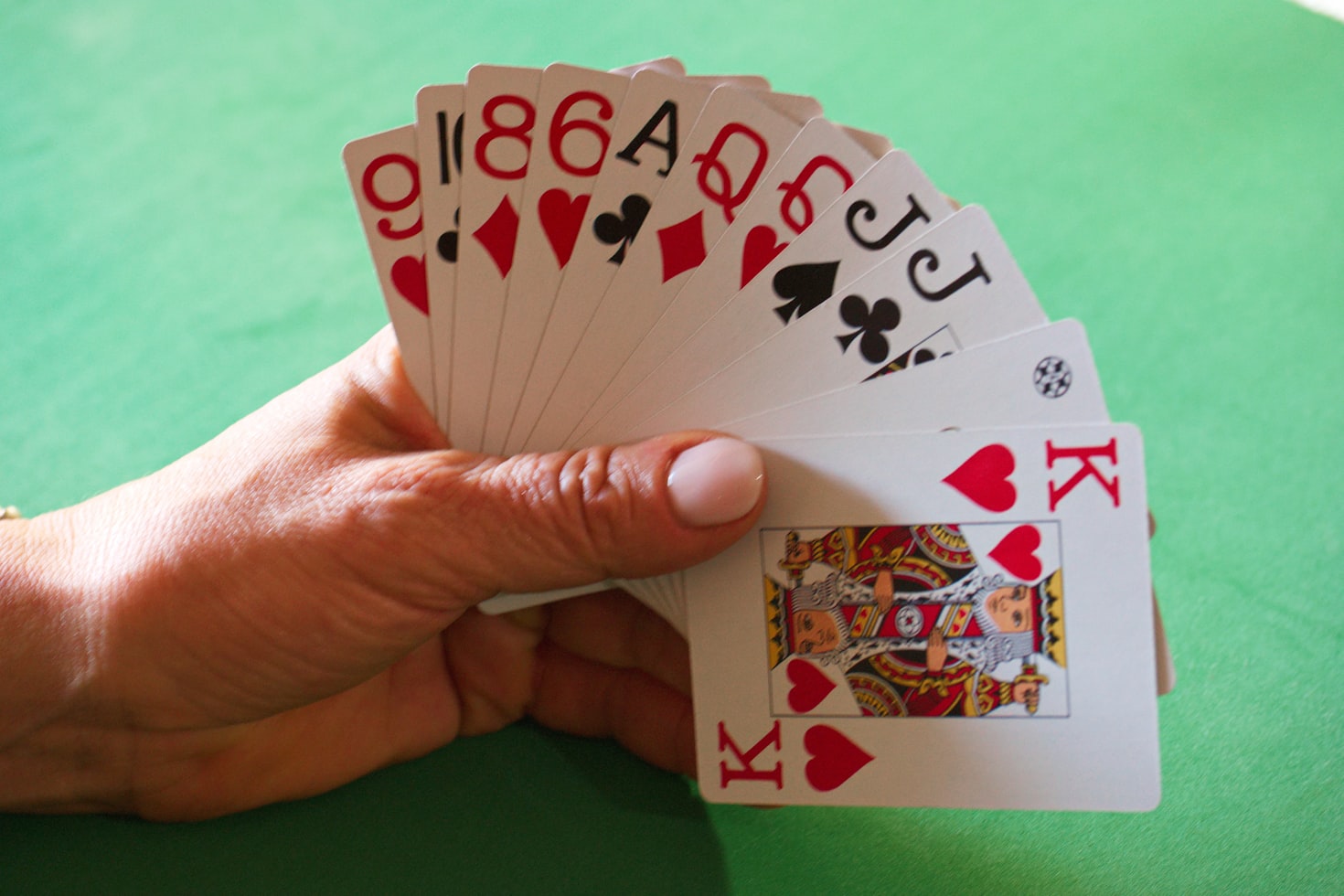
These cognitive distortions not only affect individuals’ gambling behavior but can also be exploited by casinos. Promotions, such as offering free drinks or loyalty rewards, can reinforce these biases, making players feel more confident about their chances. Understanding the psychology behind these cognitive traps can help players recognize when they are being influenced and encourage more responsible gambling behavior. By fostering awareness of these biases, players can make more informed choices and mitigate the risks associated with gambling.
The Impact of Emotion on Gambling Decisions
Emotions play a pivotal role in gambling behavior. The thrill of winning can lead to an emotional high, prompting players to chase that feeling again and again. Conversely, losing can evoke feelings of frustration, anger, or sadness, leading some players to gamble more in an attempt to recover their losses. This emotional rollercoaster often encourages impulsive decisions rather than rational ones, making it challenging for players to maintain control over their gambling activities. This cycle of highs and lows can create a pattern of behavior that is difficult to break.
The connection between emotions and gambling is further complicated by external factors. For instance, stress from personal life experiences can lead individuals to seek solace in gambling as a form of escape. This temporary relief can create a dangerous reliance on gambling as a coping mechanism, intensifying the emotional stakes involved. As players often seek to recreate the euphoric highs from wins, their emotional responses can skew their judgment, resulting in greater financial losses and deeper emotional turmoil.
Moreover, casinos often capitalize on these emotional highs by providing an environment filled with excitement and anticipation. It’s common for casinos to host events that build excitement around particular games or offer large jackpot opportunities. By manipulating the emotional landscape, casinos not only enhance the overall experience but significantly influence the player’s decision-making processes. Understanding this dynamic can help individuals recognize when their emotions are dictating their actions, enabling them to make more deliberate and rational decisions regarding their gambling habits.
The Influence of Social Dynamics
Social dynamics can heavily influence gambling behavior, particularly in casino settings. The presence of other players can enhance the excitement of games and foster a sense of camaraderie. Many individuals find themselves drawn to the energy of a crowded table, where shared excitement can amplify their own. This phenomenon, known as «social facilitation,» often encourages players to take more risks than they would when alone, leading to increased betting and prolonged play. The collective thrill can create an atmosphere that is intoxicating, making it easier for individuals to get swept up in the moment.

Peer pressure can also play a significant role, especially among younger gamblers. The desire to fit in or impress peers can lead individuals to participate in gambling activities they might otherwise avoid. In some cases, the fear of missing out can drive people to take on greater financial risks, often resulting in unfortunate consequences. The social aspect of gambling can blur the lines between recreational play and problematic behavior, making it essential for individuals to maintain awareness of their motivations and the influence of their social circles on their gambling choices.
Additionally, the shift towards online gambling platforms has transformed social dynamics within the gambling community. Virtual casinos offer forums and chat rooms where players can interact and share experiences. While this creates opportunities for community building, it can also lead to echo chambers where certain behaviors, such as high-stakes gambling or chasing losses, are normalized. Recognizing these influences is crucial for anyone looking to maintain a healthy relationship with gambling, as it can help mitigate the risks associated with social pressures in both physical and virtual gambling environments.
Exploring Responsible Gambling Resources
As the understanding of the psychology behind gambling deepens, the importance of responsible gambling practices becomes increasingly evident. Various resources exist to assist individuals in maintaining control over their gambling habits. Educational programs, self-exclusion options, and support groups provide vital support for those who might be struggling with their gambling behavior. Initiatives aimed at promoting responsible gambling emphasize awareness of one’s motivations and the potential impact of emotional and cognitive biases on decision-making.
Many casinos are beginning to implement responsible gambling measures as part of their commitment to player welfare. This includes providing information about game odds, offering self-assessment tools, and training staff to recognize signs of gambling addiction. These efforts aim to create a safer gambling environment, where players can enjoy the entertainment value without falling into harmful habits. By promoting awareness and encouraging self-control, casinos can help mitigate the risks associated with gambling and foster a culture of responsibility among players.
For anyone interested in exploring their gambling behaviors, numerous online resources provide valuable insights and assistance. Websites dedicated to responsible gambling offer tools to track spending, set limits, and understand the psychological aspects of gambling. Taking advantage of these resources can empower individuals to make informed decisions and encourage moderation in their gambling activities, ensuring a healthier relationship with the game. By actively engaging with these resources, players can cultivate a more balanced and responsible approach to gambling.